Seeing a Gastroenterologist Near Me About Indigestion
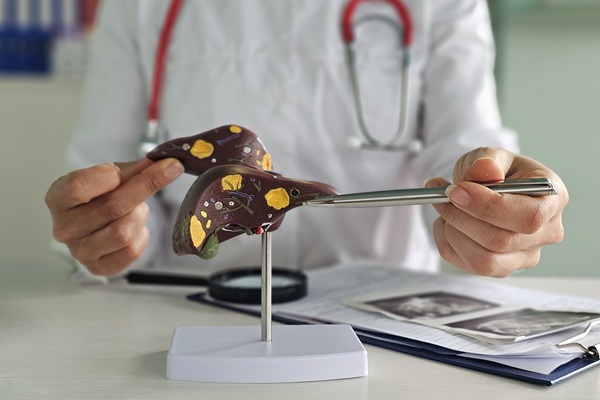
If you are tired of dealing with constant stomach pain, searching for a gastroenterologist near me can help you find the relief and answers you truly deserve. Persistent digestive trouble is more than a simple annoyance. It is a signal from the body that you need professional attention. Here is when you should see a gastroenterologist near me and improve your overall quality of life.
Why chronic indigestion happens
Indigestion feels different for everyone. That said, it usually involves an uncomfortable burning or bloated sensation in the upper abdomen. While one may assume that the problem is just a reaction to a heavy or spicy meal, chronic issues point to something deeper. Chronic indigestion might be a sign of a sensitive stomach lining, an infection, or a struggle with how the body moves food through the system.
Signs it is time to get help
It is easy to ignore a stomach ache, but some symptoms are red flags that the body needs help. Contact a gastroenterologist near me if any of the following problems occur:
- Sharp or dull recurrent pain in the upper abdomen
- Losing weight without making any activity or dietary changes
- Feeling like food is getting stuck in the throat when swallowing
- Frequent nausea or vomiting that does not have a clear cause
- Seeing blood in the stool or noticing very dark, tar-like stools
- Indigestion that lasts for more than two weeks without relief
Addressing these symptoms early can prevent damage to the esophagus or stomach lining. A quick evaluation by a gastroenterologist can lead to a much faster recovery process.
Gastroenterologist near me: how they can help
Fortunately, a gastroenterologist has the tools to determine exactly what is happening inside the digestive tract. While over-the-counter antacids may temporarily help, they tend only to hide the symptoms and do not fix the root cause of the problem. Getting a clear diagnosis by an experienced medical professional is the first step toward a life without constant stomach pain.
What to expect during an appointment
During a gastroenterology appointment, the doctor assesses the patient's symptoms and performs a physical exam. Sometimes, the doctor may need to perform a diagnostic procedure called an endoscopy. During an endoscopy, the gastroenterologist uses a thin, flexible tube with a small camera to look inside the patient's esophagus and stomach. This tool allows the doctor to see inflammation, ulcers, or other issues that an X-ray might miss. Most patients receive a mild sedative to stay comfortable while the doctor checks the health of the digestive lining.
Choosing the right treatment plan
Once the gastroenterologist knows the root cause of the discomfort, they will create a treatment plan. The treatment plan will likely involve a mix of medicine and simple lifestyle changes that make a big difference in the patient's overall quality of life. Effective management strategies include:
- Eating smaller portioned meals more frequently
- Sitting upright for at least two hours after completing a meal
- Drinking fewer caffeinated or carbonated beverages
- Removing specific trigger foods (e.g., spicy or fatty dishes)
- Cutting back on alcohol consumption
- Practicing stress relief techniques
Following these steps allows the body to heal and prevents the indigestion from returning. Remember: making a few small adjustments today can lead to improved comfort tomorrow.
Find the relief you need today
You do not have to suffer through another day of indigestion when help is available. By reaching out to a gastroenterologist near me, you are taking a step toward better health and a higher quality of life. Call Pinnacle Gastroenterology at our Forest Hills office today to learn more about our treatment options and schedule an appointment.
Request an appointment here: https://pinnaclegi.com or call Pinnacle Gastroenterology at (718) 747-9630 for an appointment in our Forest Hills office.
Check out what others are saying about our services on Yelp: Read our Yelp reviews.
Related Posts
Acid reflux is common, and heartburn is one of its most familiar symptoms. An occasional episode after a large meal or trigger food is usually not a reason to worry. Gastroesophageal reflux disease is different because reflux keeps coming back, happens frequently, or starts interfering with everyday life. A gastroenterologist can help patients figure out…
Persistent bloating, pressure, and excess gas after eating gluten-containing foods can make meals uncomfortable. A bloating and gas specialist can evaluate whether “gluten belly” reflects a gluten-related condition or another digestive issue. Because several gastrointestinal problems can cause similar symptoms, a careful assessment can help narrow down the source and guide appropriate next steps.“Gluten belly”…
A first appointment with a colonoscopy specialist can feel unfamiliar, but knowing what happens before, during, and after the procedure can ease uncertainty. Colonoscopy allows a better view of the colon to see polyps, inflammation, bleeding, and other abnormalities. The initial visit gives patients time to discuss symptoms, medical history, preparation instructions, and expected results.…
Gastroesophageal Reflux Disease (GERD) treatment often includes lifestyle changes that help reduce heartburn, regurgitation, throat irritation, and other symptoms of acid reflux. This condition develops when stomach contents move back into the esophagus often enough to cause discomfort or irritation of the esophageal lining. GERD is not something that randomly dissipates on its own, which…