What To Expect When Seeing a Colonoscopy Specialist
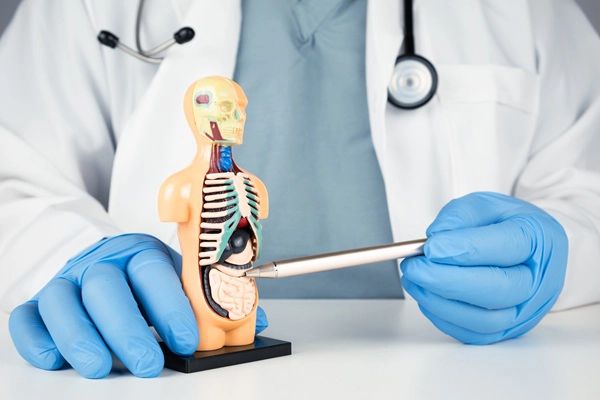
A first appointment with a colonoscopy specialist can feel unfamiliar, but knowing what happens before, during, and after the procedure can ease uncertainty. Colonoscopy allows a better view of the colon to see polyps, inflammation, bleeding, and other abnormalities. The initial visit gives patients time to discuss symptoms, medical history, preparation instructions, and expected results. Here is a brief overview of the process, transportation needs, scheduling, and recovery.
What happens when consulting a colonoscopy specialist
The process often begins with a consultation or pre-procedure review. A colonoscopy specialist, or gastroenterologist, asks about digestive symptoms, family history, prior procedures, allergies, health conditions, and current medications or supplements. This information helps them plan the procedure safely and decide whether any medications require temporary adjustments. That said, patients should follow only the medication instructions provided directly by the prescribing specialist or the gastroenterology team.
Preparing for a clear examination
A successful colonoscopy requires a clean colon so the gastroenterologist can see the intestinal lining clearly. They will provide written directions for dietary changes, clear liquids, fasting, and a bowel-cleansing solution. Still, preparation details vary, so patients should follow the instructions from the specific facility rather than general advice from another source. Completing every step lowers the chance of an incomplete examination or the need to repeat the procedure. Of course, calling the office about unclear instructions can prevent preparation issues before the appointment.
What happens on procedure day
After check-in, the colonoscopy specialist reviews the health information, confirms the patient's preparation, and places an intravenous line for medication administration. Sedation or anesthesia helps patients remain comfortable while the specialist guides a thin, flexible colonoscope through the rectum and colon. A camera at the end sends images to a monitor for careful examination.
The colonoscopy specialist may remove polyps or collect small tissue samples during the same procedure when appropriate. Most examinations take less than one hour, although the duration varies depending on findings and treatment needs. The care team monitors breathing, heart rate, and comfort throughout the procedure and early recovery period.
Recovery and receiving results
Following the examination, patients rest in a recovery area while the medication wears off. Temporary bloating, gas, or mild cramping may occur because the procedure introduces air into the colon to improve visualization. All patients need to note that a responsible adult must provide transportation home because sedation can affect alertness and coordination.
The colonoscopy specialist may discuss initial findings before discharge, while laboratory results from polyps or biopsies may take several days. They will also reiterate instructions about eating, activity, medications, and symptoms that require prompt medical attention upon returning home. Fortunately, most patients resume their regular diet and usual routine by the following day unless the physician advises otherwise.
Schedule a consultation
Clear guidance can make each stage of colonoscopy feel more manageable. Our colonoscopy specialist explains the reason for the procedure, answers questions, and outlines preparation and follow-up based on each patient's needs. If you have been recommended for a colonoscopy, contact our gastroenterologist's office and schedule a consultation. We will be happy to walk you through the procedure and answer any questions.
Request an appointment here: https://pinnaclegi.com or call Pinnacle Gastroenterology at (718) 747-9630 for an appointment in our Forest Hills office.
Check out what others are saying about our services on Yelp: Colonoscopy Specialist in Forest Hills, NY.
Related Posts
Gastroesophageal Reflux Disease (GERD) treatment often includes lifestyle changes that help reduce heartburn, regurgitation, throat irritation, and other symptoms of acid reflux. This condition develops when stomach contents move back into the esophagus often enough to cause discomfort or irritation of the esophageal lining. GERD is not something that randomly dissipates on its own, which…
A gastroenterologist, or GI doctor, helps patients understand digestive symptoms that may feel uncomfortable or hard to explain. Many people wait to bring up stomach or bowel concerns because they hope the issue will resolve on its own. Sometimes it does. However, symptoms that persist or recur may require professional attention. A GI doctor can…
If you are tired of dealing with constant stomach pain, searching for a gastroenterologist near me can help you find the relief and answers you truly deserve. Persistent digestive trouble is more than a simple annoyance. It is a signal from the body that you need professional attention. Here is when you should see a…
Lifestyle changes to support fatty liver treatment often focus on reducing the accumulation of fat in the liver and improving overall metabolic health. This condition occurs when excess fat accumulates in liver cells, which can lead to inflammation and damage if left untreated. Because there are currently few medical prescriptions specifically for this issue, the…